Skilled Drywall Repair Experts: Return Your Walls to Their Best Condition
Professional drywall repair solutions play an essential role in preserving the visual appeal of indoor environments. Damage from water, cracks, or general wear can negatively impact a residence's look and worth. Trained specialists employ advanced approaches and superior products to guarantee a flawless finish. Recognizing the value of professional drywall repair raises critical questions about frequent damage patterns and reliable repair strategies. What obstacles must property owners overcome when dealing with drywall problems?
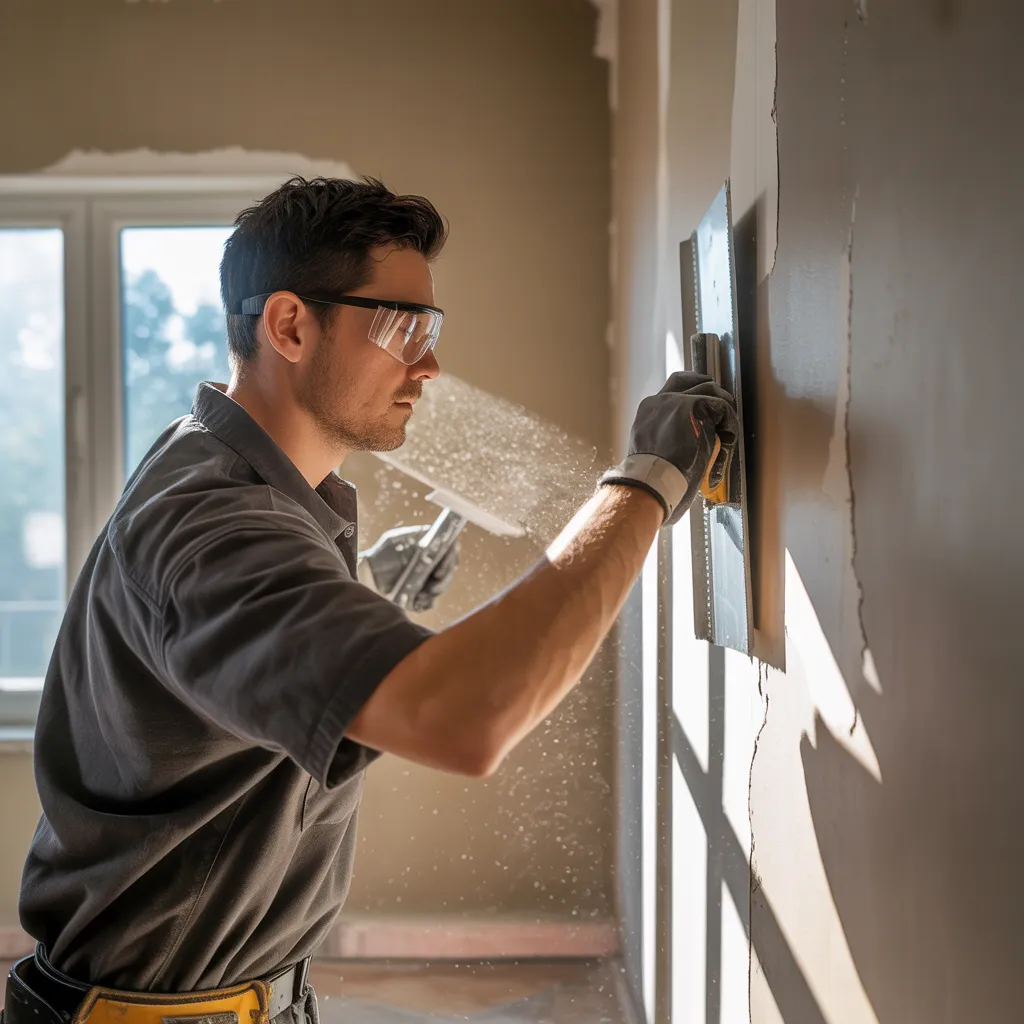
Why Professional Drywall Repair Is Essential
Professional drywall repair matters because it delivers a smooth surface that elevates the general appearance of a room. Both homeowners and business owners understand the significance of maintaining interior walls, as blemishes mandarin palace casino can undermine the visual appeal and value of a home. Experienced professionals possess the expertise to evaluate damage with precision and apply suitable methods for repair, guaranteeing a flawless result.
Additionally, skilled professionals lower the likelihood of issues returning by identifying and resolving the core issues responsible for the initial damage. This proactive approach not only improves appearance but also extends the lifespan of the walls. Additionally, professional drywall repair adheres to safety standards, limiting the dangers that come with substandard repairs. Ultimately, opting for skilled expertise cultivates a pleasant space, making certain that rooms continue to be useful and attractive well into the future.
What Are the Most Common Types of Drywall Damage and What Causes Them?
Various forms of drywall damage may arise in both domestic and professional settings, each arising from a range of different factors. A frequently encountered form is water damage, typically caused by roof leaks, plumbing failures, or excessive moisture. Such damage often results in warping, mold development, and staining. A second common problem is impact damage, commonly resulting from furniture impacts, sporting equipment, or unplanned collisions, producing unsightly dents and openings in the drywall surface. Cracks can also emerge from the natural settling of the structure or thermal expansion and contraction, undermining the strength and stability of the drywall panel. Nail pops, a condition in which fasteners break through the drywall surface, are frequently the result of building movement or foundation settling. Each of these damages requires specific attention and repair techniques to restore the drywall's appearance and functionality, underscoring the value of seeking qualified inspection and repair solutions.
Skilled Approaches to Diagnosing Drywall Issues
A detailed examination of drywall damage demands a careful eye for detail and an awareness of possible underlying issues. Experts start by examining the surface for apparent signs of deterioration, such as water stains, cracks, and holes. They employ tools like specialized moisture meters to locate hidden dampness that could indicate leaks or mold growth. Moreover, assessing the structural soundness behind the drywall is crucial; this may involve checking for bowing or sagging, which can suggest underlying framing concerns.
Sound tests, where tapping the wall reveals hollow spots, assist in pinpointing areas that require attention. Experienced assessors also consider the location of damage, because particular zones can be more vulnerable to damage from plumbing or electrical systems. By merging hands-on visual inspections with professional-grade instruments and approaches, experts can accurately diagnose the extent of drywall problems, laying the groundwork for implementing targeted and efficient repair solutions.
What the Drywall Repair Process Involves
Anticipate a streamlined and professional drywall repair process that emphasizes excellence and customer care. First, experienced specialists will conduct a thorough assessment of the drywall damage to establish the most suitable repair approach. This inspection guarantees that all damage, from slight imperfections to major damage, are recognized.
Following the assessment, the technicians will set up the workspace, securing nearby surfaces to minimize disruption. The repair process generally includes patching, sanding, and applying primer, followed by a finish that matches the existing wall texture. Throughout the process, skilled technicians will employ advanced tools and methods to deliver an impeccable finish.
Communication plays a vital role; clients can expect updates and clarifications as needed. The process culminates in a final inspection to confirm satisfaction before the team cleans up the workspace. This methodical process results in beautifully restored walls that improve the home's overall aesthetic, reflecting the commitment to excellence in drywall repair.
Advantages of Hiring Professionals for Drywall Repairs
Hiring specialists for drywall repairs presents several key benefits that can positively impact the end result. Their quality workmanship guarantees a professional finish, while their professional know-how facilitates thorough and timely repairs. Furthermore, engaging these skilled workers can minimize time spent and expenses incurred in the overall process.
Expert Workmanship Promised
Opting for professional drywall repair services ensures superior craftsmanship that enhances the general appearance and structural stability of a property. Professionals bring extensive knowledge and experience, making certain work is completed with accuracy. They employ premium materials and modern methods, which markedly reduce the likelihood of future issues such as cracking or moisture damage. Additionally, professionals can accurately duplicate textures and finishes, blending repairs with existing surfaces for a flawless appearance. This careful consideration not only improves the aesthetic quality but also supports the extended longevity of the walls. By engaging skilled specialists, homeowners can trust that their wall repairs will be executed at the highest level, resulting in a flawless and durable outcome.
Time and Cost Efficiency
Efficiently managing drywall repairs can save homeowners both time and money, making the selection of professional services a sound one. Specialists possess the tools and expertise necessary to expedite the repair process, ensuring that tasks are completed quickly and effectively. This level of efficiency reduces interruptions to everyday routines, permitting homeowners to get back to their daily lives without unnecessary delays. Additionally, hiring professionals can prevent costly mistakes, since their expertise frequently results in a longer-lasting and refined outcome. By addressing issues promptly and correctly, specialists help avoid future repairs, ultimately saving homeowners from unexpected expenses. In this way, investing in expert drywall repair services proves to be both a time-saving and cost-effective decision.
Expert Knowledge and Techniques
Expert drywall repair solutions not only improve time and cost effectiveness but also introduce specialized knowledge and proven techniques. Experts carry a thorough knowledge of materials, tools, and techniques necessary for delivering flawless outcomes. Their expertise enables precise evaluation of damage, guaranteeing that suitable repair approaches are utilized. This knowledge reduces the likelihood of repeated problems, including cracks or moisture concerns. Additionally, professionals are well-versed in local building codes and standards, ensuring compliance in every project. Their experience allows for quicker, high-quality repairs that enhance the overall aesthetics of a space. In the end, enlisting professionals for drywall repairs ensures an exceptional result, sparing homeowners from the pitfalls of DIY errors and providing lasting durability.
How to Preserve Your Repaired Drywall
Maintaining fixed drywall is crucial for lasting quality and visual appeal. Regular cleaning practices can prevent dirt buildup, while monitoring humidity levels prevents humidity-related problems. Furthermore, addressing any damage promptly makes certain that minor concerns do not escalate into major repairs.
Standard Cleaning Practices
Proper care and attention can considerably increase the life of patched drywall. Regular cleaning practices are essential for keeping it in good shape and appearance. Dirt and debris tend to build up on walls, so wiping down the walls with a soft cloth or microfiber duster every few weeks is a good practice. For more stubborn stains, a mild soap solution can be applied gently with a sponge, making sure not to apply too much moisture to the area. It's vital to avoid abrasive cleaners or scrubbing pads, as these can damage the surface. Additionally, addressing spills or marks promptly can stop lasting discoloration and copyright the overall appearance. By following these basic cleaning routines, homeowners can preserve the quality of their repaired drywall for years to come.
Manage Humidity Levels
Regular cleaning practices lay the groundwork for longer-lasting drywall, but monitoring humidity levels is equally important in preserving its condition. Elevated humidity levels may result in mold development and material breakdown, while excessively low humidity can cause cracking and warping. Property owners should strive to sustain indoor humidity between 30% and 50%. This goal can be met by installing dehumidifiers in moisture-prone spaces and maintaining adequate airflow throughout the house. Consistently measuring humidity with a hygrometer facilitates prompt and preventive modifications. Moreover, filling any gaps or cracks around windows and doors contributes to effective moisture management. With careful humidity management, the condition of repaired drywall remains intact, delivering a stunning and long-lasting finish that withstands the passage of time.
Swiftly Address Damage
Dealing with damage quickly is crucial for maintaining the quality of repaired drywall. Minor issues, such as small cracks or dents, can quickly escalate if ignored, leading to more significant restoration work. Property owners should carry out frequent evaluations to detect any indicators of deterioration. After identification, swift measures should be employed to address problems, whether through self-repair techniques or by hiring skilled drywall repair professionals. Swift fixes not only maintain the aesthetic appeal of walls but also guard against water intrusion and structural deterioration. Additionally, keeping a reserve of basic repair supplies—like wall filler or joint compound—can enable quick repairs. In the end, preventive upkeep ensures that restored drywall remains in ideal condition, increasing its longevity and boosting the property's overall worth.
Questions We Often Receive
What Is the Usual Duration of a Drywall Repair?
A common drywall repair requires approximately 2 to 4 hours, based on the degree of the damage. Variables impacting duration include the scope of the repair, drying time for the materials, and the intricacy of the work.
Can I Paint Immediately After Drywall Repair?
Painting immediately after drywall repair is not advisable. It's crucial to allow the repair to fully dry and cure, which typically takes 24 to 48 hours, ensuring a smooth, even finish without compromising the repair.
Which Materials Do Professionals Use for Repairs?
Professionals commonly use sandpaper, joint compound, and drywall tape for repair work. They may also employ professional-grade tools like trowels and knives, along with primer and paint to guarantee a flawless, seamless result on the affected surface.
Are There Eco-Friendly Options for Drywall Repair?
Indeed, eco-friendly alternatives for repairing drywall exist. Skilled contractors commonly employ recycled materials, low-VOC joint compounds, and sustainable insulation products, contributing to safer interior spaces while reducing harm to the environment during the repair process.
How Do I Choose the Right Drywall Repair Service?
Identifying the best drywall repair service requires investigating local providers, reading reviews, assessing rates, and evaluating their experience. In addition, checking their qualifications and requesting referrals ensures a consistent and high-quality repair job.